| # | Film | Language | Where to watch |
|---|---|---|---|
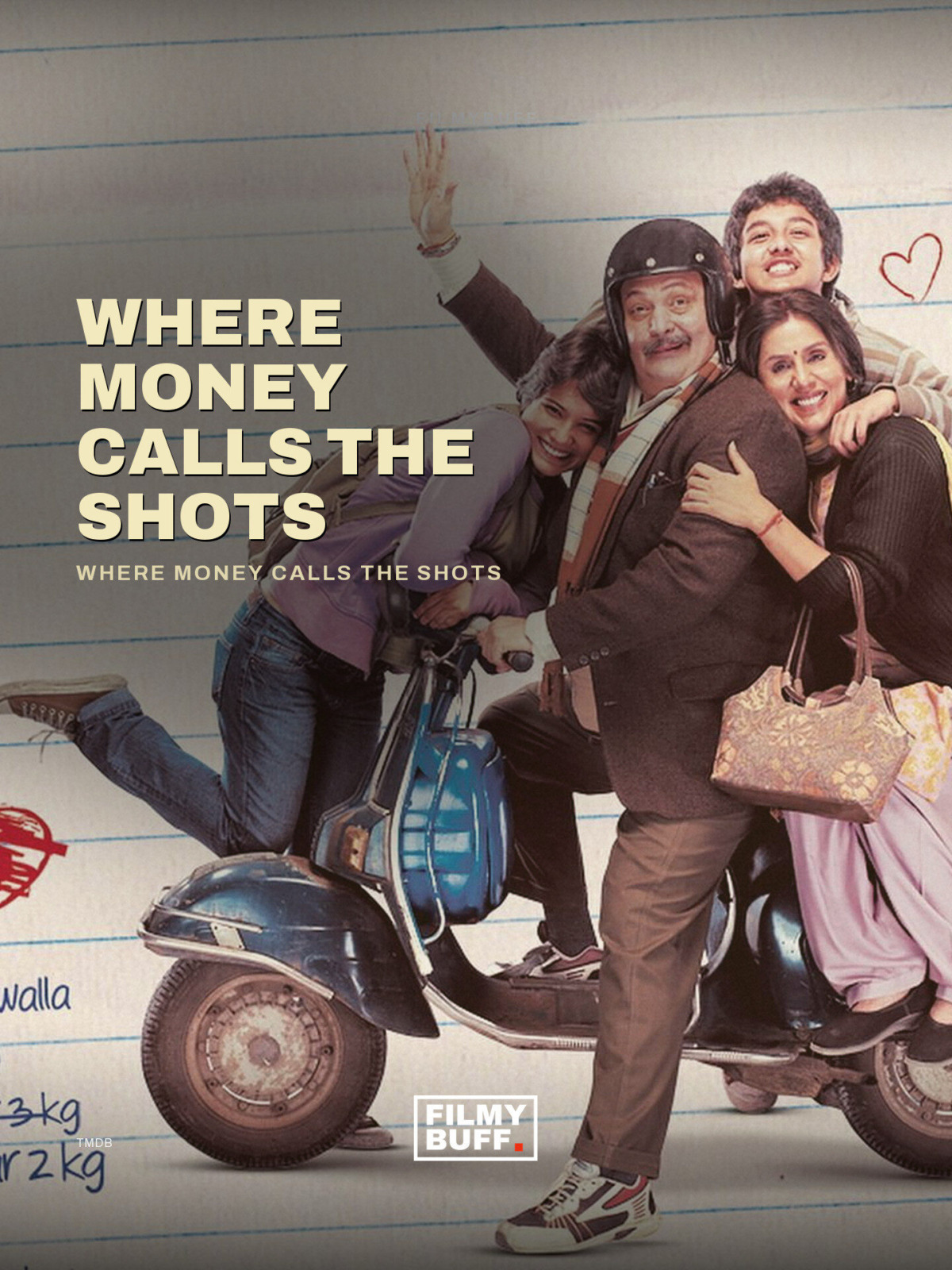
| 1 | Do Dooni Chaar (2010) | Hindi | — |
| 2 | Gullak (2019) | Hindi | — |
| 3 | Kaaka Muttai (2015) | Tamil | — |
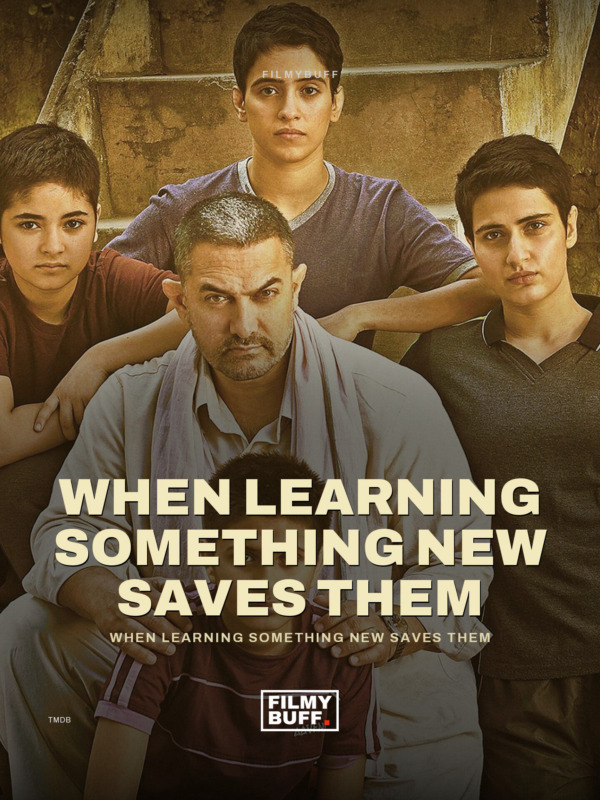
| 4 | The White Tiger (2021) | English | Netflix |
| 5 | Mandela (2021) | Tamil | — |
| 6 | Thithi (2015) | Kannada | — |
| 7 | Parasite (2019) | Korean | — |
Money in the movies is often shown as a briefcase or a song cue. But the films I keep returning to treat money as something quieter and more intrusive: the third person in the room, deciding who gets to speak, who gets to want, and who gets to stall. That is the energy behind this watchlist.
If you have ever postponed a small purchase, felt the weight of a family budget, or noticed how class shows up before anyone says a word, these picks are for you. They span Hindi, Tamil, Kannada, Korean and one sharp English-language series, but they all share the same quiet math of wanting and having.
Do Dooni Chaar (2010)
A middle-class Delhi family pulls itself into increasingly tricky knots over one small wish: a car. What I love is how honestly it does the arithmetic of a household where every rupee has a name. The film stays warm even when it is wincing, because it never mocks its characters for wanting what the world dangles in front of them. Watching it feels like sitting in a neighbour’s living room and hoping, slightly hopelessly, that they catch a break. The maths here is not just about money; it is about pride, marriage, school fees and the price of showing your children a better version of yourself.
Gullak (2019)
A small-town family’s piggy bank narrates the show, which sounds whimsical until you realise the piggy bank sees every tiny saving and small humiliation before anyone else does. The Mishra family’s battles over household expenses are funny because they are uncomfortably specific. It lands the comedy first, but the aftertaste is all recognition: the delayed purchases, the small lies told to protect dignity, the way a home can feel both abundant and tight at once. I laughed, then sat very still the next time I put off buying something for the house. This show earns its place here because it understands that middle-class survival is a daily negotiation, not a plot twist.
Kaaka Muttai (2015)
Two brothers in Chennai want a pizza, and that simple hunger becomes a quiet map of the city’s class lines. The film follows their small, determined steps without ever begging for pity, which is exactly why it lands so hard. Every encounter they have shows how the city decides who belongs where, often before a word is spoken. It broke my heart in the gentlest way because the boys never lose their sense of wonder. This is a film about aspiration that refuses to turn its children into symbols.
The White Tiger (2021)
This Netflix drama follows Balram’s rise from a poor village to a position that looks like power, and it never pretends the money involved is clean. The anger under the ambition is what kept me watching, because it is more honest than the usual rags-to-riches glow. It turns the patronising language of masters and servants into a survival game where the price of dignity keeps changing. You are not asked to admire Balram; you are asked to see what the system does to someone determined not to stay at the bottom. It feels like a thriller built out of class resentment, which is as unsettling as it should be.
Mandela (2021)
A local barber’s vote becomes the entire village’s battleground, and the satire sharpens because both sides spend like fools to win him over. I loved how the film lets him finally see his own worth, even as the political circus around him gets increasingly absurd. Money here is not just cash; it is flattery, freebies, promises and the sudden performance of respect. The comedy is precise, but underneath it is a clear-eyed look at how easily poor people are turned into arithmetic. It made me laugh and then feel a little complicit for laughing.
Thithi (2015)
Three generations of men circle a dead grandfather’s property, and the inheritance feuds are so recognisable they tip into comedy. The film has the looseness of village life and the sharpness of true observation, especially when greed and guilt show up together. Watching it, I kept thinking about how money turns family roles into bargaining positions almost overnight. It never explains away anyone’s behaviour, which is why it feels so alive. There is no villain here, just people trying to get what they think they are owed.
Parasite (2019)
Two families move around each other’s money and space in a film built like a thriller, and I saved it for last because it rewards re-watching for days. Every staircase, window and envelope of cash is part of the argument about who gets to breathe easily. It is funny, cruel and precise about the way class shapes even the smallest gesture. I left it feeling that the house on the hill and the basement below are not just locations, but two ends of the same brutal sum. Once you watch it, you will be unpacking it long after the credits.
These are not films that scold you about money. They are films that let you feel the maths in your own chest, whether it is a missed treat, a family argument or the quiet wish to be seen as someone who has enough. I would love to know which titles you would add to this list, and which small on-screen money moment has stayed with you.
Film images from TMDB. This product uses the TMDB API but is not endorsed or certified by TMDB.