The setup
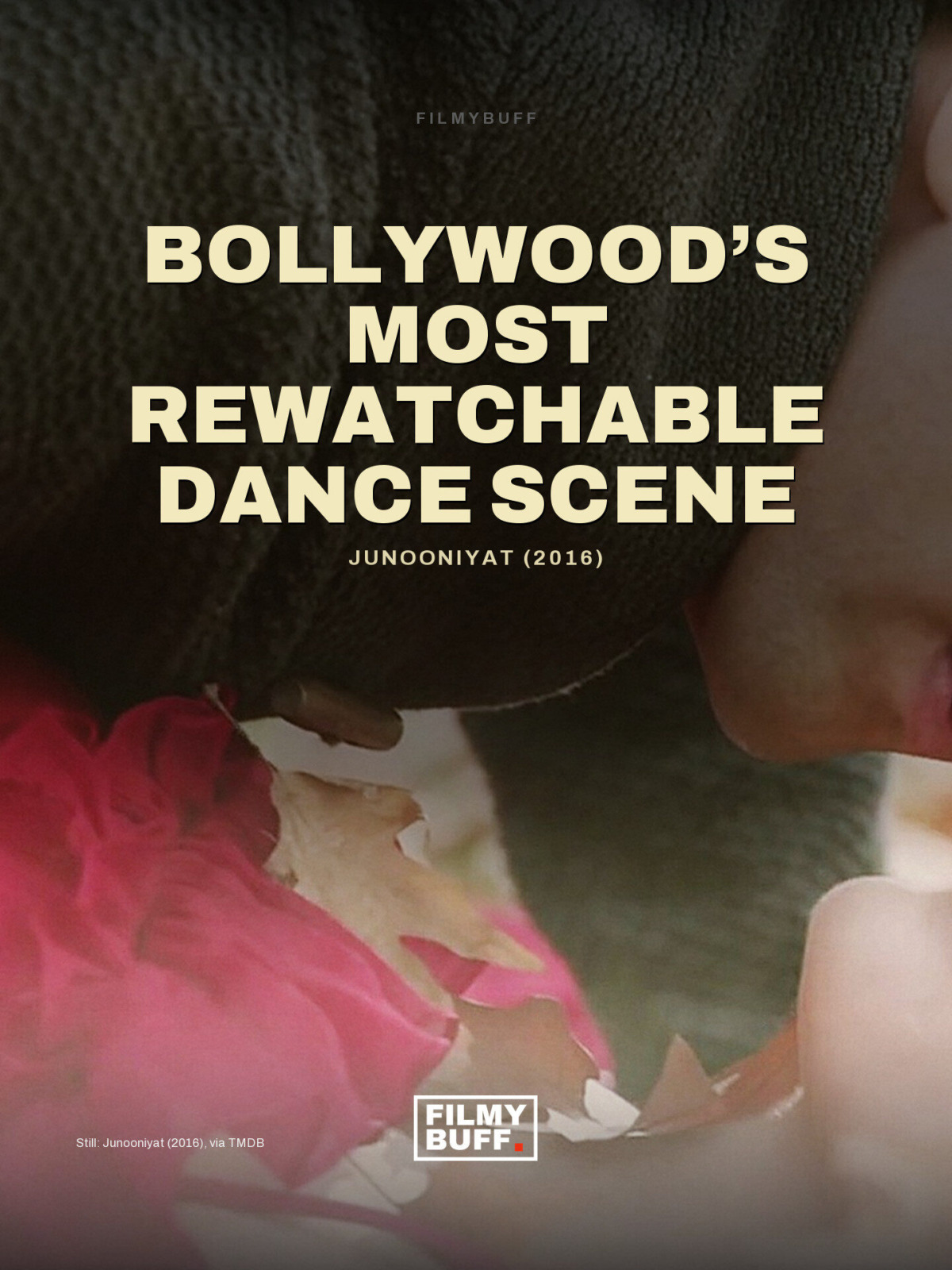
In Junooniyat, this number lands when the film has spent enough time keeping its leads at arm’s length. What’s at stake is not just the relationship but the film’s whole mood: after this, resistance has to give way to release. The song is the moment the story finally lets its couple, and us, breathe.
The turn
It starts like a teasing invitation—Pulkit and Yami trade glances while the dhol stays coiled. Then the chorus hits and the scene changes gear: the edit cuts wide, the crowd fills the frame, and the number stops being a duet and becomes a full celebration. That cut on the downbeat is the whole film loosening its collar.
The line
“Nachenge saari raat” works because it is a promise, not a pickup line. It is first-person plural, future tense, absolutely unbothered about tomorrow. The lyric lands because the hook repeats the same phrase like it’s convincing everyone in the room—and by the third time, you believe it. The timing matters: it arrives exactly when the scene needs to stop flirting and start moving.
The performance
Pulkit sells it with loose shoulders and a deliberately unpolished grin, like he’s at a friend’s sangeet rather than hitting marks. Yami matches him with sharp, clean footwork and eyes that keep flicking back to the camera, pulling us into the joke. A lesser scene would have two good-looking people doing steps; this one has two people making the steps feel like conversation.
The craft
The staging keeps the leads surrounded by warm practicals—strings of bulbs, brass, colour—so the night feels earned, not manufactured. The music layers a live-sounding dhol under a bright synth hook; the sound mix drops the crowd for half a beat before the chorus, so the title phrase lands like a countdown. The camera takes a low-angle push-in on the hook, one bar only, which makes the song feel huge without tipping into empty spectacle.
Why it travels
This is the clip people share because it requires no plot, no backstory and no subtitles. It is a self-contained invitation: a catchy hook, two leads with visible chemistry, and one simple promise to dance all night. Years after release, it still gets passed around because it works the same way on a phone screen as it does at a party—instant, warm and impossible to sit still through.
Watch the original: T-Series on YouTube. Shown for review and comment; the rights stay with the makers.